Short-term renting in Morros: what the law requires and what the building forbids
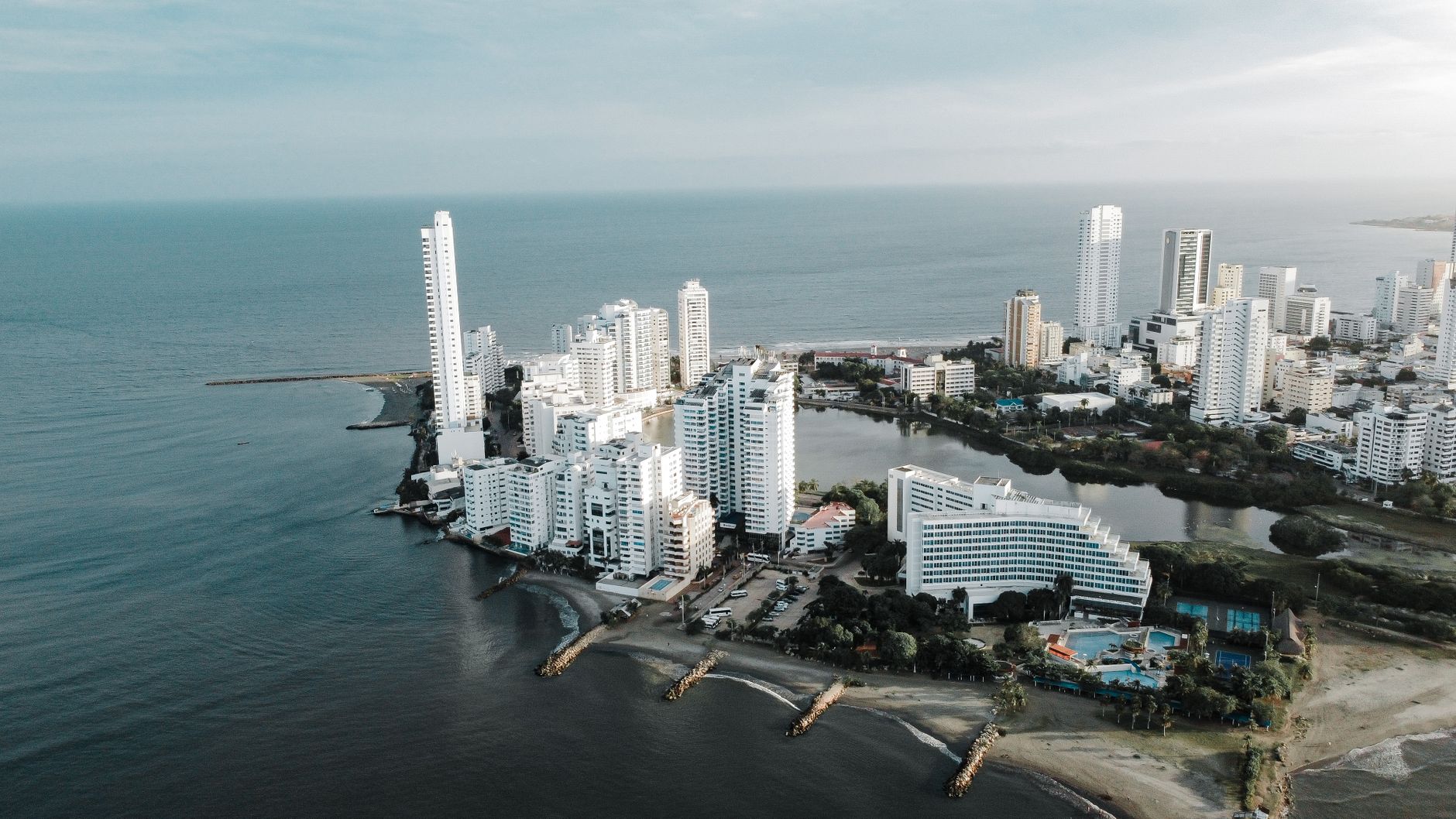
A lot of buying in Morros is justified by the expectation of seasonal renting. That expectation rests on two permissions obtained in different places, which contradict each other more often than buyers expect.
On one side is the national tourism register: providing tourist accommodation without registering is an infraction, and registering has its own requirements. On the other is the building's condominium bylaws, which may forbid daily rentals even where the state permits them. Inside the building the bylaws govern, and you read them before signing, not after.
What is specific to Morros
The first consolidated stretch of the Zona Norte: gated tower complexes along the road, beach in front and their own amenities. Almost everything is high-rise condominium, much of it bought as a second home and rented out seasonally. It sits minutes from the airport along the Anillo Vial, which is its only real way in and out.
- what the condominium bylaws say about daily rentals, because several complexes restrict them and buyers find out after signing
- the state of the maintenance dues and the reserve fund, which in seafront buildings goes into façade upkeep
- whether the tower holds a concession or permit for the beach in front, which does not come with the apartment
What to verify, step by step
- Request the complete condominium bylaws and find the chapter on the permitted use of private units.
- Request the last few years of owners' meeting minutes: that is where prohibitions and penalties approved after the bylaws appear.
- Check the national tourism register to see whether the unit or the complex is already registered, and in whose name.
- Ask the District what land use applies to the property in Morros, since tourist accommodation is an use and not every zone admits it.
- Work the numbers with the building manager: which dues apply to units in short-term rental, which are often different.
Mistakes that cost money
- Believing the sales office's occupancy projection. Ask for the bylaws, not the brochure.
- Registering with the tourism register without having read the bylaws. You can be compliant with the state and in breach with the building at the same time.
Frequently asked questions
- Can the bylaws forbid something the law allows?
- Inside the building, yes: condominium rules govern the use of private units. That is why you read them before buying.
- Who is liable if the building penalises the rental?
- The owner, not the guest or the platform. Which is a reason to review the minutes and not only the bylaws.
Where to check it
- Registro Nacional de Turismo — whether a property may legally be used for tourist accommodation and who has registered it
- Alcaldía Mayor de Cartagena de Indias — property tax, betterment levies and District procedures
- Plan de Ordenamiento Territorial de Cartagena — land use, the rules applying to the property and protected land
- DIAN — the tax ID, withholding on sale and the capital gains tax
- Cartagena de Indias — the rules of the municipality Morros belongs to
Official bodies. Specific figures are requested there, not copied from a listing.
Updated 2026-11-04
More about Morros
The same, in other neighbourhoods
- Short-term renting in Cielo Mar: what the law requires and what the building forbids
- Short-term renting in Serena del Mar: what the law requires and what the building forbids
- Short-term renting in Manzanillo del Mar: what the law requires and what the building forbids
- Short-term renting in Punta Canoa: what the law requires and what the building forbids
Interested in a property in this area?
Write to us and we will send you the available options.