Buying a Rental Property in Downtown Miami: Rules, Expenses and Due Diligence
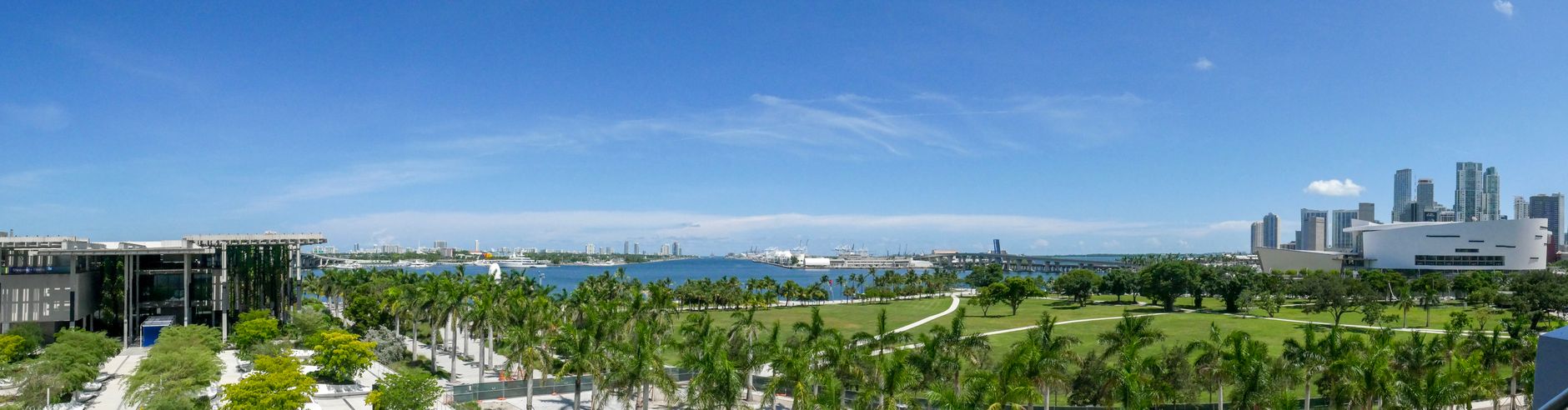
A unit in Downtown Miami can be a good home and a poor rental at the same time: what decides it is what the building's rules allow you to rent out and what is left after expenses. Both are verifiable before you make an offer.
Someone buying to rent depends on three things that are not in the price: whether they may rent at all, for what minimum term, and at what running cost. The condominium rules may require a minimum lease term, board approval of the tenant, a waiting period after purchase before renting, or a cap on how many units in the building may be leased. On top of that come dues, property tax, insurance, property management and the non-resident owner's tax obligations. A calculation made without those five lines is not a calculation.
What is specific to Downtown Miami
The administrative and judicial centre, with the bayfront park and the Metromover hub. A mix of converted older towers and new construction around Miami Worldcenter. The best public transport in the city: Metromover, Metrorail, Brightline and Metrobus all converge here.
- how the street changes between a weekday and a Sunday, because downtown empties out and you feel it when you live there
- whether the tower is new construction or an office conversion, because ceiling heights and building systems are not the same
- how close it is to the events district, because of traffic on game and concert nights
What to verify, step by step
- Ask for the current condominium rules and find the leasing article: minimum term, tenant approval, waiting period after purchase and cap on leased units.
- Ask the association how many units are leased today and whether the cap is already reached, because then you join a waiting list.
- Rebuild the monthly cost from documents: the property tax bill on the county site, the dues in the approved budget and an insurance quote for that address.
- Ask Florida-licensed property managers for their standard contract and the list of what they bill separately, because managing from a distance has a price.
- Check the non-resident owner's obligations with the federal tax agency and put the matter in the hands of a licensed accountant before buying, not at the first filing.
- If you are thinking of short stays, verify your city's regime and the building's rules first: they are two separate permissions.
Mistakes that cost money
- Calculating the return on gross rent, with no dues, tax, insurance, management or vacant months.
- Signing and then reading the rules, only to find the building requires a long minimum term or has already hit its cap on leased units.
- Assuming that what a neighbour does today is permitted: they may be in breach of the rules or of the city ordinance.
Frequently asked questions
- Can I rent it out immediately after buying?
- Not always. Many rule sets impose a waiting period after purchase. It is written in the leasing article of the rules, and it must be read before you make an offer.
- Do I need an U.S. company in order to rent?
- That is a legal and tax decision, not a general requirement. Discuss it with a licensed attorney and accountant; the federal tax agency publishes the non-resident owner's obligations.
- Can I manage the rental from my own country?
- You can, but someone has to look after the unit and the tenant in Miami. Check the manager's licence in the state register before hiring.
Where to check it
- Florida DBPR, Division of Condominiums — state rules on condominiums and associations
- Miami-Dade County Property Appraiser — record card, area, year built and parcel history
- Miami-Dade Tax Collector — the property tax bill and its payment status
- Florida Office of Insurance Regulation — insurers authorised in Florida and their filed rates
- Internal Revenue Service — the non-resident owner's federal tax obligations
- Florida DBPR — whether a broker, appraiser or contractor holds a current licence
- City of Miami — the rules of the municipality Downtown Miami belongs to
Official bodies. Specific figures are requested there, not copied from a listing.
Updated 2026-11-04
More about Downtown Miami
- Short-Term Rental Rules for Condos in Downtown Miami: What Owners Should Verify
- Buying pre-construction in Downtown Miami: what to verify before you reserve
- Flood zone in Downtown Miami: how to check an address
- Mortgage Options for Foreign Buyers in Downtown Miami: Questions to Ask Lenders
- Do You Need U.S. Residency to Buy Property in Downtown Miami?
The same, in other neighbourhoods
- Buying a Rental Property in Wynwood: Rules, Expenses and Due Diligence
- Buying a Rental Property in Design District: Rules, Expenses and Due Diligence
- Buying a Rental Property in Coconut Grove: Rules, Expenses and Due Diligence
- Buying a Rental Property in Miami Beach: Rules, Expenses and Due Diligence
Interested in a property in this area?
Write to us and we will send you the available options.