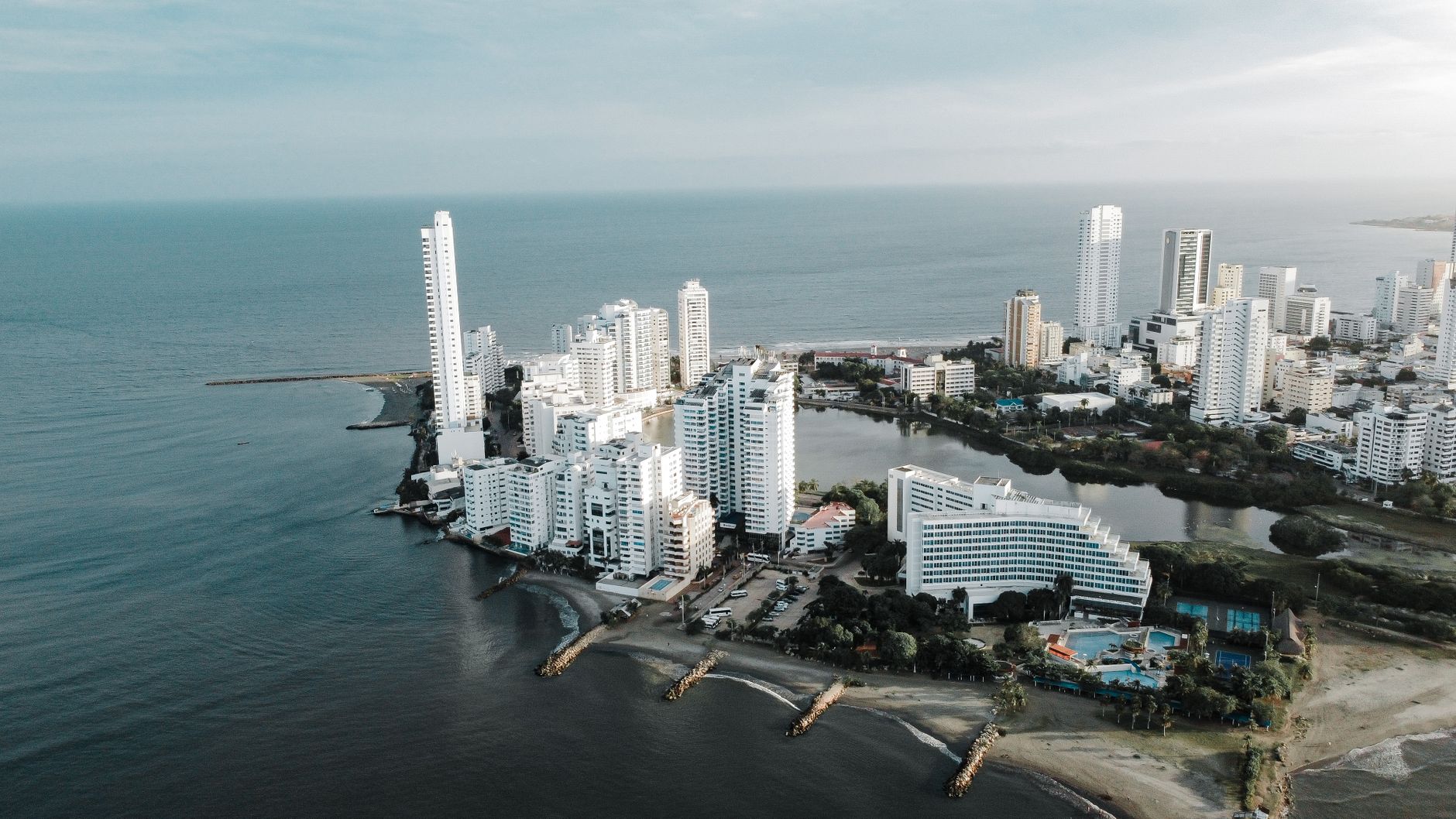
Salt air works on façades, metalwork and equipment all year round, and that wear is paid for through dues or a special levy — but it is paid. In Morros the figure is not in the brochure: it is in the building's maintenance history and in the owners' meeting minutes.
The difference between a seafront building and the same building inland is not the purchase price but the upkeep. Salt air corrodes railings, frames, fittings and reinforcement; air-conditioning units and pumps run in a saline environment; façade paint and window seals have shorter cycles. When the reserve fund falls short, the owners' meeting approves a special levy, and whoever owns the unit at that moment pays it in full even though the deterioration accumulated over earlier years. So what to examine before buying is not the current monthly due, but what has been done, what is outstanding, and with what money it is meant to be done.
What you buy in Morros is not land but a private unit created by subdividing a single folio matriz, the parent registry record, and that changes the file. The chain of title on the land was settled once by the builder; what remains to review is the registered reglamento de propiedad horizontal, the condominium bylaws, any acta de asamblea, owners' meeting minutes, that amended them, and the coeficiente de copropiedad, the ownership share assigned to the unit, which governs both voting and billing. The counterparty differs from the undeveloped north as well: usually an individual owner living outside Cartagena, so closing depends on a power of attorney from that person, on a spouse's consent where it applies, and on the paz y salvo, a no-arrears certificate signed by the building manager, a document that does not even exist for rural land. Decisions here belong to the owners' assembly and the manager it appoints, not to a public office; the District and the curaduría urbana, the private licensing office, had their say when the tower was permitted. Internal infrastructure, from pumping to the generator and security, is private and funded by the budget that same assembly approves, so the minutes describe the property better than any tour.
What is specific to Morros
The first consolidated stretch of the Zona Norte: gated tower complexes along the road, beach in front and their own amenities. Almost everything is high-rise condominium, much of it bought as a second home and rented out seasonally. It sits minutes from the airport along the Anillo Vial, which is its only real way in and out.
- what the condominium bylaws say about daily rentals, because several complexes restrict them and buyers find out after signing
- the state of the maintenance dues and the reserve fund, which in seafront buildings goes into façade upkeep
- whether the tower holds a concession or permit for the beach in front, which does not come with the apartment
What to verify, step by step
- Ask the administrator for the building's major maintenance history: façade, roof, windows, railings and structural reinforcement, with the date of the last intervention on each.
- Request the last few years of owners' meeting minutes and read specifically for levies approved, levies discussed and rejected, and the state of the reserve fund.
- Ask which equipment is common and which belongs to the unit: air conditioning, pumps, lifts and generators are maintained and replaced, and it pays to know who answers for each.
- Request the approved annual budget and the building's arrears position, because a building with unpaid dues defers maintenance and then charges for it all at once.
- Request the unit's dues clearance certificate before closing, and ask expressly whether there are approved levies not yet charged.
- If you will not be in Cartagena, request all of this in writing by email before the promise of sale: these are documents an administrator gives a serious buyer without any need to attend in person.
Mistakes that cost money
- Comparing monthly dues between buildings without looking at what each covers and what maintenance has been deferred. A low due in a seafront building is often a future levy.
- Reading only the bylaws and not the minutes. The bylaws say how the building ought to work; the minutes say how it works and what has been left undone.
- Signing without asking about levies already approved. Works voted before the purchase get billed after it, and the discussion of who pays belongs in the promise of sale, not in the owners' meeting.
Frequently asked questions
- Why do you not publish what it costs to maintain a seafront apartment?
- Because it depends on the building, its age and what has been left undone, and a general figure will not help you decide. The figure for your case sits with the administrator, in the budget and in the minutes.
- Can I request those documents before I own anything?
- As a prospective buyer you request them through the seller, who is the one who asks the building manager for them. If they are not provided, that is information too.
- Does it vary much by sector?
- It varies with exposure and with the age of the building. Bocagrande has towers from very different eras on the same block, and in Castillogrande a bay-facing façade is not maintained like one facing the open sea. In Morros you put the question to that particular building's administrator.
Where to check it
- Alcaldía Mayor de Cartagena de Indias — property tax, betterment levies and District procedures
- Lonja de Propiedad Raíz de Bolívar — commercial appraisals and appraisers listed on the open register
- DANE — the building census, housing price indices and construction cost data
- Instituto Geográfico Agustín Codazzi — the cadastral record, area, boundaries and assessed value of the property
- Superintendencia de Notariado y Registro — the certificate of title and encumbrances, which is the property's full history
- Cartagena de Indias — the rules of the municipality Morros belongs to
Official bodies. Specific figures are requested there, not copied from a listing.
Updated 2026-11-05
More about Morros
- Beachfront apartment in Morros: what changes versus being a few blocks back
- Penthouse and terrace in Morros: what is yours and what is common property assigned for exclusive use
- House in a gated community in Morros: what you are actually buying
- Buying land to build in Morros: your own registry folio, utilities and planning rules
- The high end in Morros: what actually sets an exclusive property apart
The same, in other neighbourhoods
- Maintaining a seafront property in Cielo Mar: what to ask the building manager before signing
- Maintaining a seafront property in Serena del Mar: what to ask the building manager before signing
- Maintaining a seafront property in Manzanillo del Mar: what to ask the building manager before signing
- Maintaining a seafront property in Punta Canoa: what to ask the building manager before signing
Interested in a property in this area?
Write to us and we will send you the available options.