The purchase price is the number people remember; the monthly cost is the one that decides whether the property is sustainable. In Downtown Miami, a new-construction condo carries several line items the listing never shows.
The difference between two similarly priced properties usually lies in what it costs to hold them, not what it costs to buy them. Property tax, insurance, association dues and reserves add up every month and are not negotiable after signing. Reconstructing that sum before you offer is what prevents the first-year surprise.
In downtown Miami the file carries the commercial history of the land, and that is what separates it from the rest of the city. Many units sit in buildings that were born as offices and were converted to housing: conversion requires a change of use, a fresh certificate of occupancy and a condominium declaration drafted after the building itself, so you should request the closed permits for that remodel and check that none was left open in a previous owner's name. Beyond that, title on a central parcel usually arrives loaded with old easements, air-rights transfers, parking covenants and access agreements signed when the block was offices, and they still bind the unit: the title search here is not a formality, and it is worth having an attorney read it rather than only the insurer. Because this is also the administrative and judicial district, the recorder, the courthouse and the permit office are in the neighborhood itself, which speeds any verification up without making it automatic. Someone buying from abroad should appoint a person with authority to collect and read those documents at the counter, because part of the record is not online.
What is specific to Downtown Miami
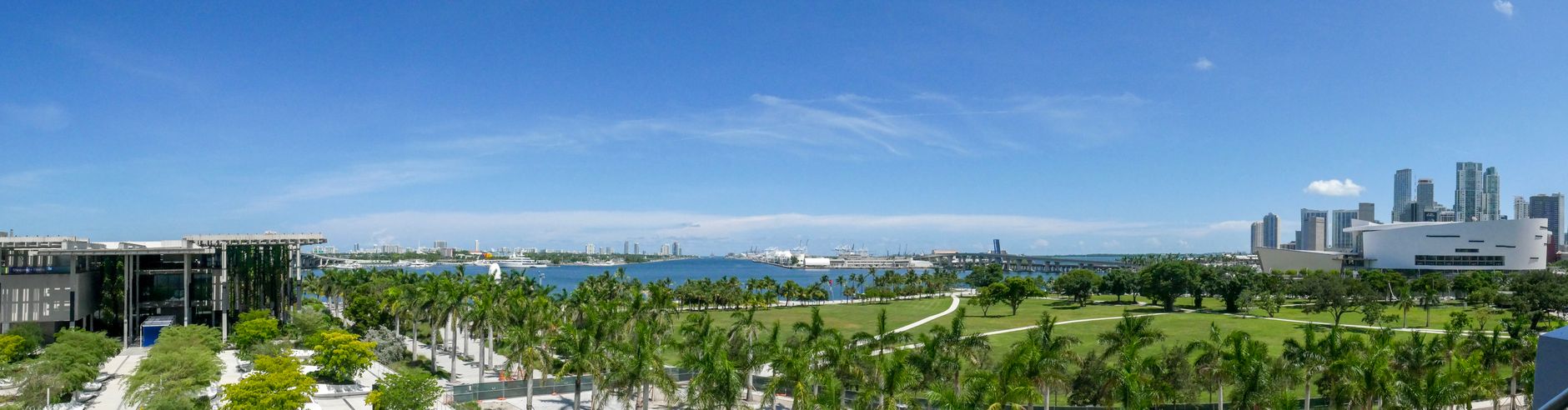
The administrative and judicial centre, with the bayfront park and the Metromover hub. A mix of converted older towers and new construction around Miami Worldcenter. The best public transport in the city: Metromover, Metrorail, Brightline and Metrobus all converge here.
- how the street changes between a weekday and a Sunday, because downtown empties out and you feel it when you live there
- whether the tower is new construction or an office conversion, because ceiling heights and building systems are not the same
- how close it is to the events district, because of traffic on game and concert nights
What to verify, step by step
- Look up that parcel's property tax bill on the county site: it is public and gives the real figure, not an estimate.
- Ask for the current association dues and the minutes that set them, not last year's.
- Ask whether a special assessment is approved or under study, because it transfers with the unit.
- Get a real insurance quote for that address before you make an offer.
- Add utilities, parking and storage if they are billed separately.
Mistakes that cost money
- Using the tax the current seller pays as the tax you will pay: the assessed base can be recalculated after a sale.
- Asking for the association dues without asking about the state of the reserves.
Frequently asked questions
- Does property tax go up when you buy?
- The assessed base can be recalculated after a sale. The county office publishes each parcel's record and that is where to check.
- What is a special assessment?
- A separate charge the association approves for works or an unforeseen expense. Ask about it in writing before buying, because the buyer inherits it.
Where to check it
- Miami-Dade County Property Appraiser — record card, area, year built and parcel history
- Miami-Dade Tax Collector — the property tax bill and its payment status
- Florida Office of Insurance Regulation — insurers authorised in Florida and their filed rates
- Florida DBPR, Division of Condominiums — state rules on condominiums and associations
- City of Miami — the rules of the municipality Downtown Miami belongs to
Official bodies. Specific figures are requested there, not copied from a listing.
Updated 2026-11-06
Interested in a property in this area?
Write to us and we will send you the available options.