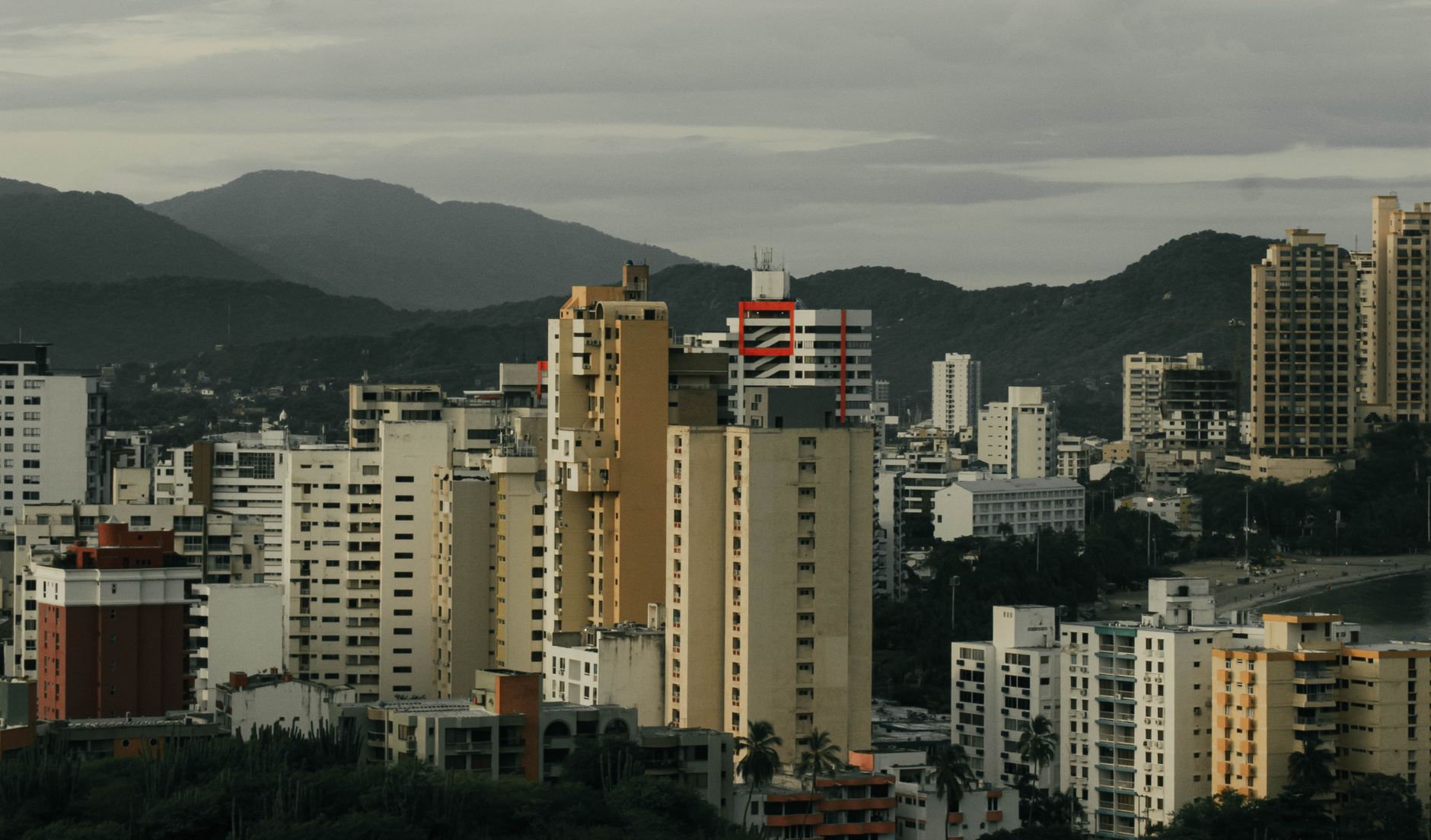
Not everything that is rented out is rented under the same contract, and the one for an aparta-estudio (studio unit) does not look like the neighbouring unit's when the nature of the property differs. Before thinking about the tenant, the contract has to fit inside what the reglamento and the use rules admit.
Colombian lease law distinguishes by purpose: urban housing, commercial premises and short-stay lodging are not governed by the same rules, and what you sign conditions what may and may not be agreed. On top of that regime sits the private layer: the reglamento de propiedad horizontal (the condominium bylaws) can ban or condition an use the law does not ban, and a later asamblea may have tightened it without the recorded reglamento reflecting it yet. So the contract for an aparta-estudio (studio unit) is built the other way round from how it is usually done: first verify what use the property admits, then which contract matches that use, and only then the clauses. Which regime applies to your case and how each clause is drafted is work for your Colombian attorney; what a buyer can verify before signing is what the reglamento says, what the last asamblea minutes say, what the land-use certificate says and, where the purpose is short-stay lodging, what the registro nacional de turismo says.
An aparta-estudio, a single-room studio unit, is bought differently because it is the smallest unit in the tower, and that has consequences the floor plan does not show. Its coeficiente de copropiedad, the ownership share, is low, so its weight at the asamblea is low too; and in buildings made of identical units, decisions fall to whoever can assemble a crowd of small owners. Meanwhile several building costs are not shared by size but by occupancy: lifts, front desk, lobby, water, waste and wear on common areas all track how many people come and go, and a studio generates as much turnover as a large unit while contributing a far smaller share. The second consequence is the market. These units are bought almost entirely to rent out, so what the reglamento says about renting by the day is not a detail of use but a feature of the asset, since it defines who you can resell to. The third is physical: in a single room, kitchen, bathroom and ventilation share walls with neighbors, so whatever the copropiedad resolved about noise, extraction and quiet hours weighs more here than in a conventional apartment.
What sets Cielo Mar apart is that much of the buying happens before the property legally exists. Units sell off plan, and the counterparty is not an owner but a fiduciaria, a trust company, managing a patrimonio autónomo, a segregated trust estate, into which the landowner contributed the site. That changes the whole process. The first document signed is not a deed but an enrollment in the project; the money goes into a trust account rather than to a seller; and the deed is granted once the punto de equilibrio, the pre-sales break-even threshold, is reached and the building goes up, so in the early stage there is no unit folio to certify because none has been opened. Ask for the trust agreement and ask what happens if that threshold is never reached, who returns the money and on what terms. Who decides changes too: the governing document is the permit issued by the curaduría urbana, the private licensing office, and the condominium bylaws are still unregistered, so you read a draft. Utilities may be run by private operators belonging to the development itself, meaning the supply relationship does not start with the city water company.
What is specific to Cielo Mar
Morros continued northward: newer development and less established street retail. Recently built towers with undeveloped lots still sitting between them. It depends entirely on the Anillo Vial; groceries and school are not walkable.
- what has been permitted on the neighbouring lot, because a new tower next door changes the view and the sunlight you paid for
- how drinking water arrives and where the sewage goes, which along this northern stretch is not always the public network
- whether the building permit is current and matches what the sales office is offering
What to verify, step by step
- Request the recorded reglamento de propiedad horizontal and the minutes of the last asamblea, and read what they say about renting, permitted use and short-stay guests.
- Ask the Alcaldía for the land-use certificate covering the activity you plan to host, because the reglamento and the planning rules are two separate permissions.
- Check what belongs to an aparta-estudio (studio unit) itself and changes the contract's clauses: whether the reglamento de propiedad horizontal allows daily rentals, since this is the unit type most often bought for exactly that and the ban never shows up in the brochure; whether the deed places kitchen and bathroom inside the área privada rather than treating them as shared services that cannot later be enclosed and how many identical units the tower holds, and what the administración rules about lift and lobby use by short-stay guests.
- Ask the administrador what the copropiedad requires of a tenant —occupant registration, access rules, use of common areas— and get it in writing rather than by word of mouth.
- Where the purpose is short-stay lodging, check the registro nacional de turismo and ask in whose name it stands and what becomes of it when the owner changes.
- Search the Rama Judicial for pending proceedings over the property or against the seller on tenancy matters before buying the asset with a contract inside it.
Mistakes that cost money
- Signing a residential lease for an use that is not residential, or the reverse, because that template was to hand. The contract's stated purpose conditions what can be agreed.
- Reading the recorded reglamento but not the minutes. The asamblea may have set later conditions on use, and the buyer meets them afterwards.
- Buying a property with a tenant in place without reading the contract in force. What the seller agreed does not vanish because the owner changes, so read with your attorney where it leaves you.
Frequently asked questions
- Can the reglamento prohibit renting?
- The reglamento governs the use of units and common property, and in practice it is where rental restrictions appear. Ask for the recorded version together with the minutes, and have your attorney read how far it reaches.
- Do I need a registro nacional de turismo to rent out?
- That depends on whether the activity is tourist lodging. The RNT and what it requires are matters for the tourism authority, and the copropiedad can still restrict the use with the register in order.
- Who do I verify the contract against?
- The administrador for the reglamento and the minutes, the Alcaldía for land use, and the Rama Judicial for litigation. Drafting the contract itself is work with a Colombian attorney.
Where to check it
- Rama Judicial — whether there is pending litigation over the property or its owners
- Registro Nacional de Turismo — whether a property may legally be used for tourist accommodation and who has registered it
- Alcaldía Mayor de Cartagena de Indias — property tax, betterment levies and District procedures
- Cartagena de Indias — the rules of the municipality Cielo Mar belongs to
Official bodies. Specific figures are requested there, not copied from a listing.
Updated 2026-11-06
Interested in a property in this area?
Write to us and we will send you the available options.